

In Rhythm with Doxa
Let's unpack this

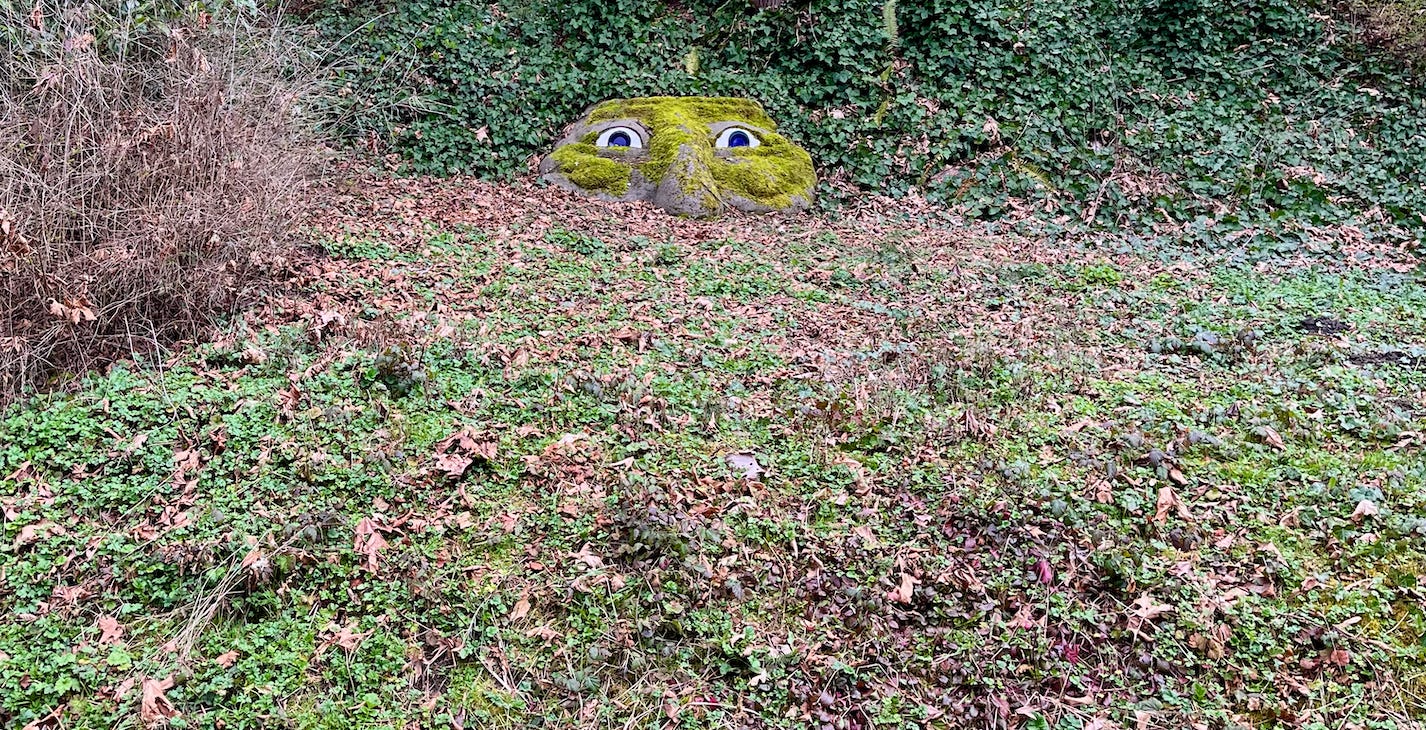
Over the years, I have become more enchanted with the value of beauty. It entered my awareness when I was doing research for my Master's Thesis way back in 2008. I was researching what humanity had in common - like what can unite us when it seems so easy to focus on how we are different. It turns out, transcendent beauty is one of the universal values all of humanity shares. It may be expressed differently, but it's still something that is valued, even needed for humans to thrive.
In my former NGO, Reckoning, we led after-school programs where we used art-making as a way to draw out the common values we all share as we worked in marginalized communities: trust, respect, responsibility, fairness, citizenship, caring, and transcendent beauty. We also incorporated beauty in our cultural exchanges with our leadership youth program, InSite, when we worked in partnership with settlements in South Africa and called them beautification elements, which we saw as a crucial way to inspire hope and restore dignity.
Since then, finding ways to sprinkle these concepts is at the forefront of my consciousness. I keep asking myself, “How can we elevate the experience of beauty in our communities, our society, so that we hope, strive, and pursue higher passions that unite us? I've seen it on a small scale. I have seen the power of beauty and crave to see it more.
That's where this title comes in, “In rhythm with Doxa.” Let's unpack this phrase.
There is a book that I've been reading, "Saving Paradise" by Rita Nakashima Brock and Rebecca Ann Parker, that is blowing my mind. The subtitle is “How Christianity Traded Love of this World for Crucifixion and Empire.” I won't spoil the read for you. It would be hard, considering it's 420 pages of meaty reading. I will say that if you've ever wondered how Christianity got all messed up, or how a religion that is so violent and judgmental came from Jesus, who was supposedly all about love and forgiveness, then this book is for you.
Anyway, in this book, they cover beauty in so much wonderful detail that I keep reading the chapters that cover it and am having a hard time reading the rest. The first-century church had such a high value of beauty. It inspired, connected, and united them to live in harmony with love when the culture around them demanded the opposite.
Here's how they frame the meaning of ‘doxa’:
“The Greek kallos (beauty) has its root meaning in ‘whole’ and ‘vigorous’. Beauty lured - by its very existence, it elicited grateful and graceful love. The apostle Paul understood it as the power of many diverse particulars, each with its own doxa, or ‘beauty’. Doxa also meant ‘splendor’, or ‘glory’, or ‘shining presence’. Beauty was thus not simply an object to perceive and behold, but a shining presence of spirit in all things that called for presence in response. Beauty's ethical power was its ability to induce a loving orientation toward the world. It gathered into a life-giving whole the fragments of life that the powers of ‘this world’ tore asunder.” (pg. 150)
For me, to be “In rhythm with Doxa” means to live in a way that responds to ‘that shining presence that is in all things,’ calling me to respond. The more I respond to the beauty (doxa) around me, the profound sense of gratitude and appreciation for life grows in me, which fuels love, which spills out into actions. It's like I enter a flow of goodness and life-giving forces.
What would it look like for beauty to be elevated, for the doxa to be recognized in all things with more people, more often, perhaps even in large groups? How might beauty save the world?
Lots to discover and be curious about.
I'll be sharing stories from my daily life and teaching at Farm School, past experiences, as well as how I see biodynamic farming, spirituality all interconnecting with this principle of working ‘In Rhythm with Doxa.” Hopefully, you'll be inspired to join me in this rhythm, and we can all work towards a future we want
.